Understanding Natural Lifestyle Components
An educational exploration of everyday habits, nutritional elements, and natural approaches related to male wellbeing. This resource provides informational context without medical advice or commercial intent.
Educational content only. No medical services. No promises of outcomes.
Introduction to Topic
Male wellbeing encompasses various aspects of daily life, from nutritional choices to lifestyle patterns. This educational resource examines how natural components and everyday habits interact within the broader context of modern living.
The information presented here serves purely educational purposes. It does not constitute medical advice, health recommendations, or guidance for individual circumstances. The content explores general concepts and cultural perspectives on wellness approaches.
Different communities and traditions have developed various perspectives on maintaining everyday wellbeing. These approaches often emphasize balance, natural elements, and sustainable habits rather than quick interventions or guaranteed outcomes.
Lifestyle Context Overview
Contemporary lifestyles present unique challenges and opportunities for maintaining everyday wellbeing. Environmental factors, work patterns, dietary availability, and social structures all contribute to how individuals approach their daily routines.
The concept of lifestyle balance has evolved across different cultures and time periods. What remains consistent is the recognition that multiple factors interact to shape daily experiences and long-term patterns.
Environmental Considerations
Urban and rural settings offer different contexts for daily living. Access to natural spaces, food diversity, and community structures varies significantly across geographical locations.
Cultural Frameworks
Various traditions have developed distinct perspectives on maintaining balance and vitality through natural means. These frameworks often emphasize holistic approaches rather than isolated interventions.
Role of Daily Habits
Daily routines form the foundation of long-term lifestyle patterns. Small, consistent actions accumulate over time to create broader behavioral frameworks. Understanding this principle helps contextualize various approaches to everyday wellbeing.
Nutritional Patterns
Dietary choices represent one of the most fundamental aspects of daily life. Different nutritional philosophies exist across cultures, each emphasizing particular food groups, preparation methods, and consumption timing.
The relationship between nutrition and general vitality has been explored across numerous traditions. While specific recommendations vary, most frameworks acknowledge the importance of dietary diversity and balance.
Physical Activity Context
Movement patterns influence overall wellbeing through multiple pathways. Various physical activities serve different purposes, from structured exercise to incidental movement throughout daily routines.
Natural Ingredients Background
Throughout history, various cultures have incorporated natural substances into their daily routines. These ingredients come from plant sources, mineral deposits, and other naturally occurring materials.
The use of natural elements varies widely across geographical regions and cultural contexts. What constitutes a traditional ingredient in one area may be unfamiliar in another.
Historical Context
Many contemporary nutritional approaches have roots in traditional practices. Understanding this historical background provides context for modern interpretations and applications.
Common Natural Elements
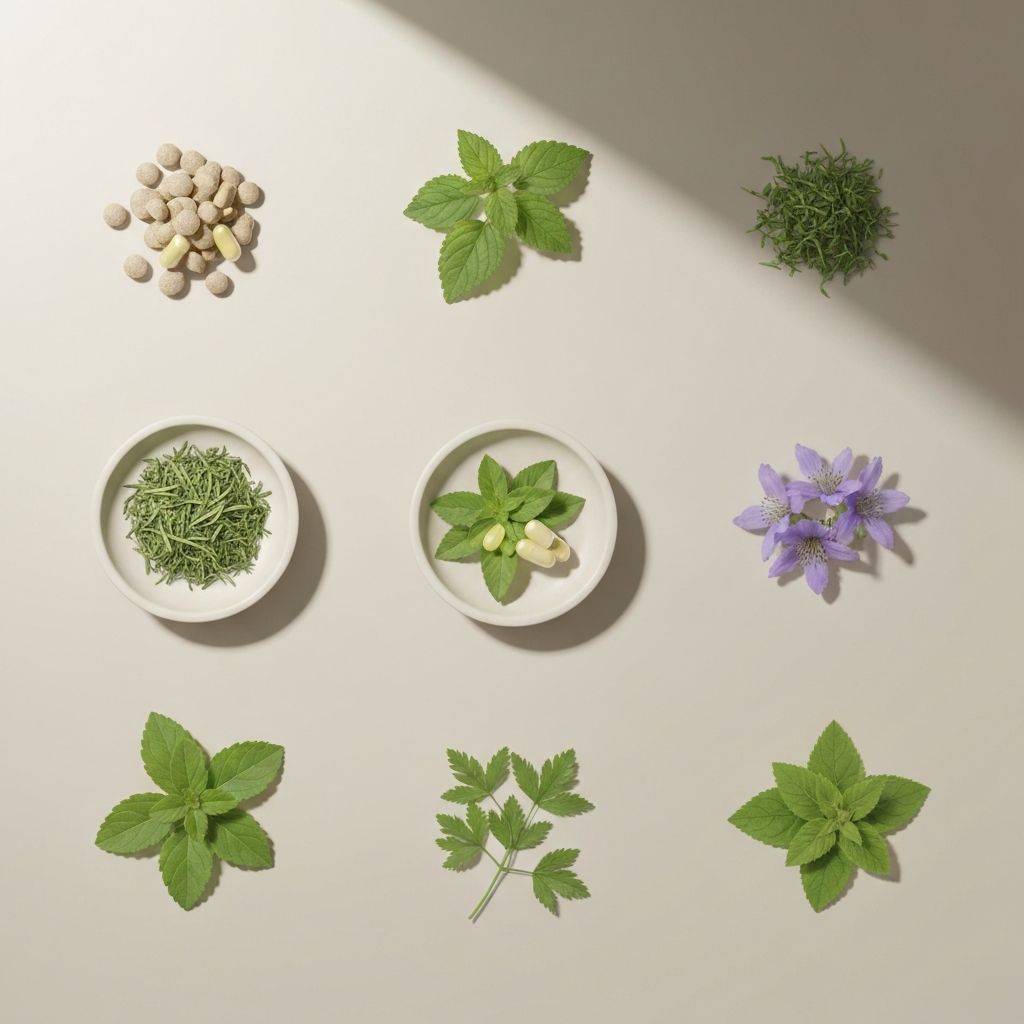
Certain plant-based substances appear frequently across different cultural frameworks. These include various herbs, roots, seeds, and leaves that have been part of dietary traditions for generations.
The availability and use of these elements depend on local ecosystems, agricultural practices, and cultural preferences. No universal approach exists, and what works within one context may not translate directly to another.
Cultural Perspectives
Different societies have developed unique approaches to male wellbeing, each reflecting local environments, available resources, and philosophical traditions.
Traditional European Approaches
European traditions often emphasize seasonal eating, herbal preparations, and balanced daily routines. These frameworks developed over centuries of agricultural life and community practices.
Asian Wellness Philosophies
Many Asian cultures maintain holistic perspectives on wellbeing that integrate physical, mental, and environmental factors. These systems often view the individual as part of larger natural cycles.
Modern Interpretations
Contemporary approaches frequently blend traditional wisdom with current scientific understanding. This synthesis creates frameworks that acknowledge both historical practices and modern contexts.
The diversity of cultural perspectives demonstrates that no single approach dominates. Individual circumstances, preferences, and contexts all influence which frameworks resonate most strongly.
Common Misconceptions
Several misunderstandings frequently arise when discussing natural approaches to male wellbeing. Clarifying these points helps establish realistic expectations and appropriate context.
Instant Results Expectation
Unlike pharmaceutical interventions designed for rapid effects, natural lifestyle approaches typically unfold gradually over extended periods. This timeline reflects the fundamental nature of habit formation and biological adaptation.
Universal Solutions Myth
No single approach works identically for all individuals. Biological diversity, lifestyle differences, and environmental factors all influence how various elements interact within specific contexts.
Natural Equals Risk-Free
The natural origin of a substance does not automatically ensure safety or appropriateness. Many powerful natural compounds require careful consideration and awareness of individual circumstances.
Replacement for Professional Guidance
Educational information cannot substitute for personalized professional assessment. Individuals facing specific concerns should consult qualified practitioners rather than relying solely on general information.
Informational Frameworks
Understanding natural approaches to male wellbeing requires familiarity with several conceptual frameworks. These structures help organize information and provide context for different perspectives.
Nutritional Density Concept
This framework examines the concentration of beneficial compounds within various foods. Higher nutritional density means more beneficial elements per unit of food consumed.
Synergistic Interactions
Many natural substances work through complex interactions rather than single isolated mechanisms. These synergies can produce effects different from individual components acting alone.
Bioavailability Considerations
The presence of a compound in food differs from its actual absorption and utilization. Bioavailability describes how effectively the body can access and use particular elements.

Limitations and Context
Educational Purpose Only
This resource provides general educational information about natural lifestyle components and everyday wellbeing concepts. It does not offer medical advice, health recommendations, or personalized guidance.
No Individual Recommendations
The content presented here describes general principles and cultural perspectives. It should not be interpreted as specific recommendations for individual circumstances or health conditions.
Diversity of Approaches
Multiple valid frameworks exist for understanding wellbeing and natural lifestyle elements. The information provided represents educational overview rather than endorsement of particular methods.
Professional Consultation
Individuals should consult qualified professionals for personalized assessment and guidance. This educational resource cannot replace professional evaluation of individual circumstances.
No Outcome Promises
This resource makes no claims about results, benefits, or outcomes from any lifestyle approach or natural element discussed. All information serves educational purposes only.
Frequently Asked Questions
What is the purpose of this resource?
This website serves as an educational platform providing informational context about natural lifestyle components and everyday male wellbeing. It aims to explain concepts and cultural perspectives without offering medical advice or commercial services.
Does this site recommend specific products or services?
No. This resource does not promote, sell, or recommend any specific products, services, or interventions. All content maintains an educational and informational focus.
Can I use this information to make health decisions?
This website provides general educational context only. It should not be used as the basis for health decisions or as a substitute for professional consultation. Individual circumstances require personalized professional assessment.
Why focus on natural approaches?
The educational content explores how various cultures and traditions have incorporated natural elements into daily life. This focus reflects historical practices and contemporary interest in understanding lifestyle factors, not a claim that natural approaches are superior to other frameworks.
How often is the information updated?
The resource presents general educational concepts that remain relatively stable over time. While specific details may evolve as understanding develops, the fundamental principles covered here change gradually.
Who created this resource?
Naturaform operates as an independent educational project dedicated to providing accessible information about natural lifestyle components and wellbeing concepts. More details are available on the About page.
Summary Insights
Natural lifestyle components represent one dimension of the broader wellbeing landscape. Understanding these elements requires appreciation for cultural diversity, historical context, and individual variability.
No universal formula exists for optimal daily habits or nutritional patterns. Different frameworks offer various perspectives, each valid within its particular context and philosophical foundation.
The educational exploration of these topics serves to broaden understanding rather than prescribe specific actions. Knowledge provides context for informed thinking without dictating particular choices.
As research and cultural exchange continue, perspectives on natural approaches will likely evolve. Maintaining curiosity while exercising critical thinking helps navigate the diverse information landscape.

Continue Exploring
This resource offers foundational context about natural lifestyle components and everyday wellbeing concepts. Additional educational materials are available throughout the site.
For more information about this educational project and its approach, visit the About section. Questions or feedback can be directed through the Contact page.
Learn More About This Project